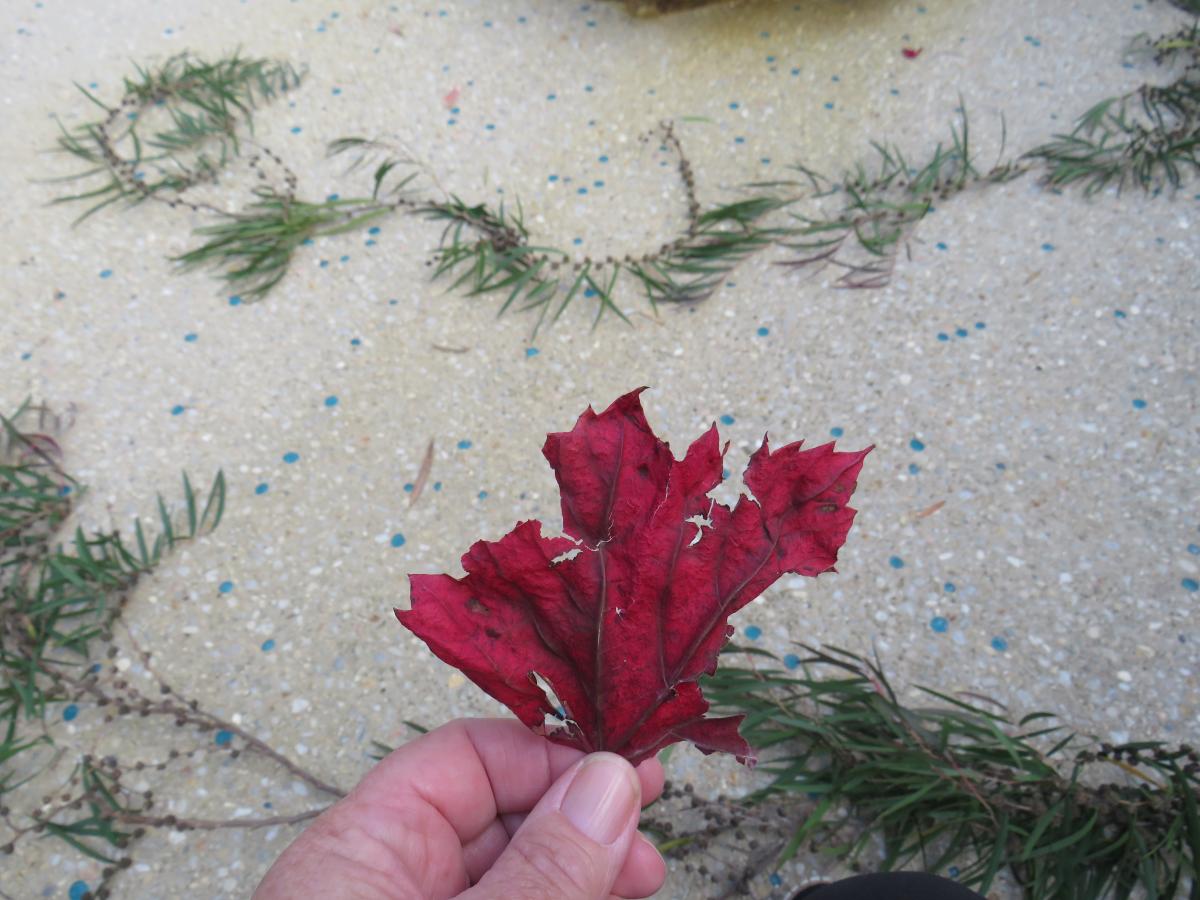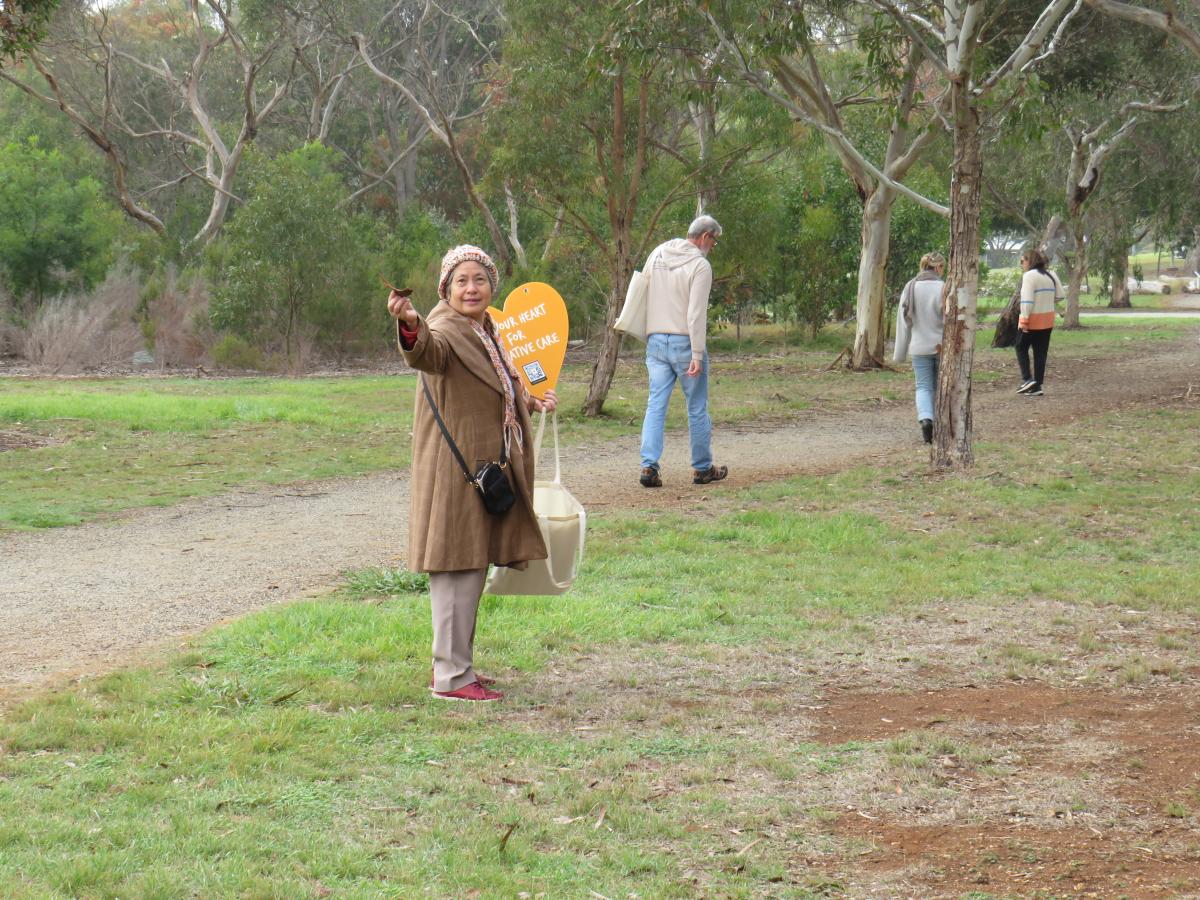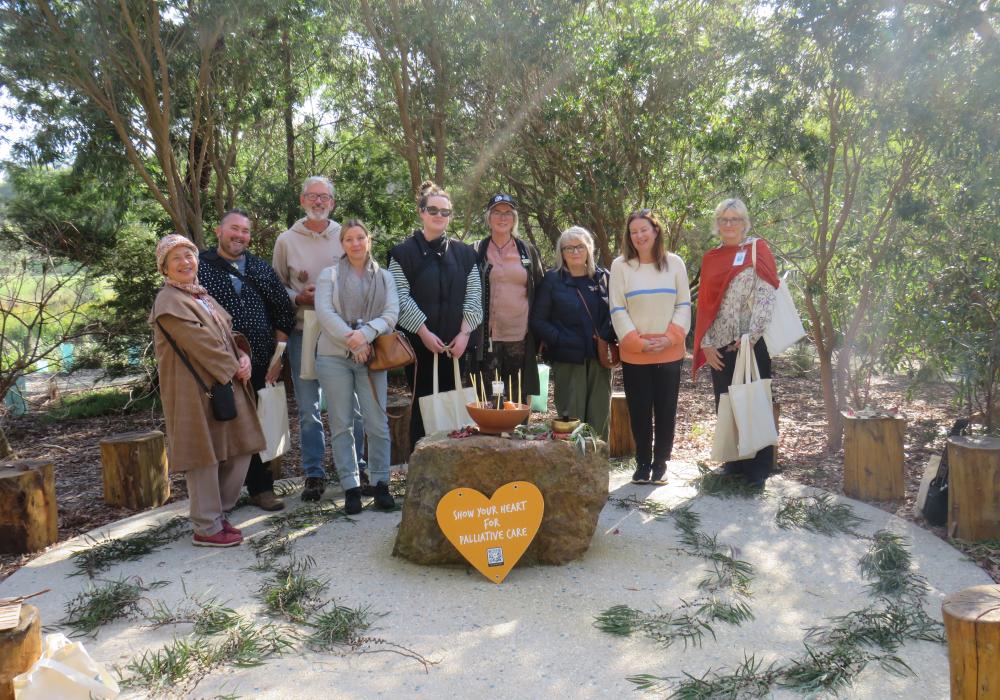
In recognition of National Palliative Care week Amanda Myring, Barwon Health palliative care team’s grief and bereavement counsellor combined her love of forest therapy with her work as a grief and bereavement counsellor and took a small group of people on a therapeutic forest trail experience. The Barwon Health palliative care service has recently moved to Anam Cara House on the Deakin University grounds at Waurn Ponds and Amanda stumbled across the first purpose-built Forest Therapy trail on a university campus in the world and this is where it all started.
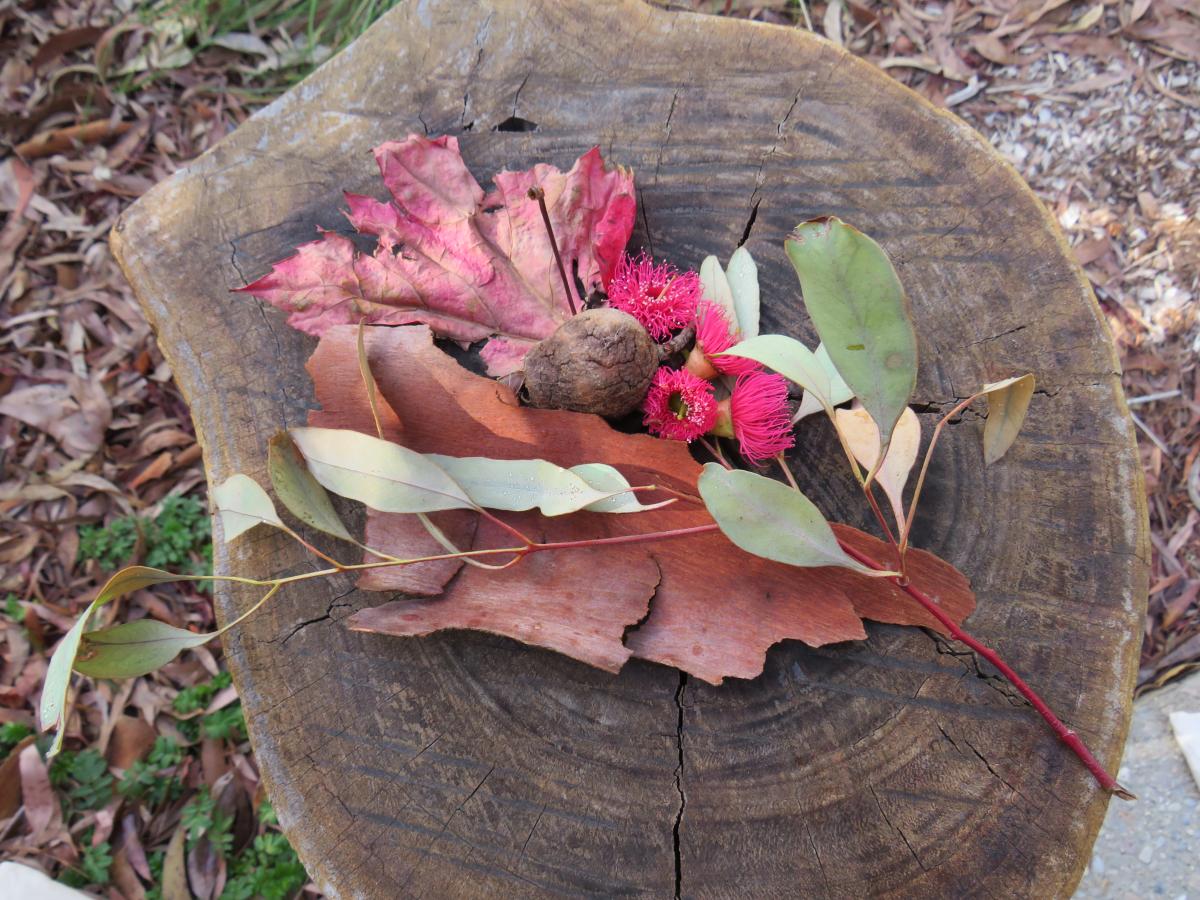
Amanda’s group experienced a slow-paced immersive guided walk alongside some of Waurn Ponds Campus’ most scenic natural locations, stopping to participate in a series of light physical, sensory and creative activities.
The Waurn Ponds Forest Therapy trail has been made possible through the innovative collaboration of multiple groups within Deakin including the Schools of Psychology, Architecture and Built Environment, Exercise and Nutrition Sciences, and Health and Social Development along with the Sustainability and Diversity, Equity and Inclusion and Student Services teams and supported by the International Nature and Forest Therapy Alliance (INFTA). Read more about the forest therapy trail at Deakin University Waurn Ponds here
The participant’s feedback was very positive and Amanda hopes to continue using forest therapy in her grief and bereavement work.
Forest therapy, or “Shinrin-yoku” (forest bathing), originated in Japan in the 1980s as a response to the increasing stress and urbanization of modern life. The practice involves immersing oneself in a forest environment, engaging the senses to experience the natural world fully. Over time, scientific research has supported the benefits of this practice, linking it to improved mental and physical health.
One of the key scientific aspects of forest therapy is the role of phytoncides, which are natural compounds released by trees. These compounds have been shown to boost the immune system, reduce stress, and lower blood pressure. Breathing in phytoncides can also increase the activity of natural killer cells, which play a crucial role in the body’s defense against cancer and infections.
The concept of biophilia—the innate human connection to nature—underpins forest therapy. Harvard biologist E.O. Wilson popularized this idea, suggesting that humans have an inherent affinity for the natural world. This connection is essential for mental well-being and emotional health.
In essence, forest therapy combines ancient wisdom with modern science, offering a holistic approach to health by leveraging the benefits of the natural environment.